Mar 1, 2026
Why Inconsistent Branding Kills Your Close Rate
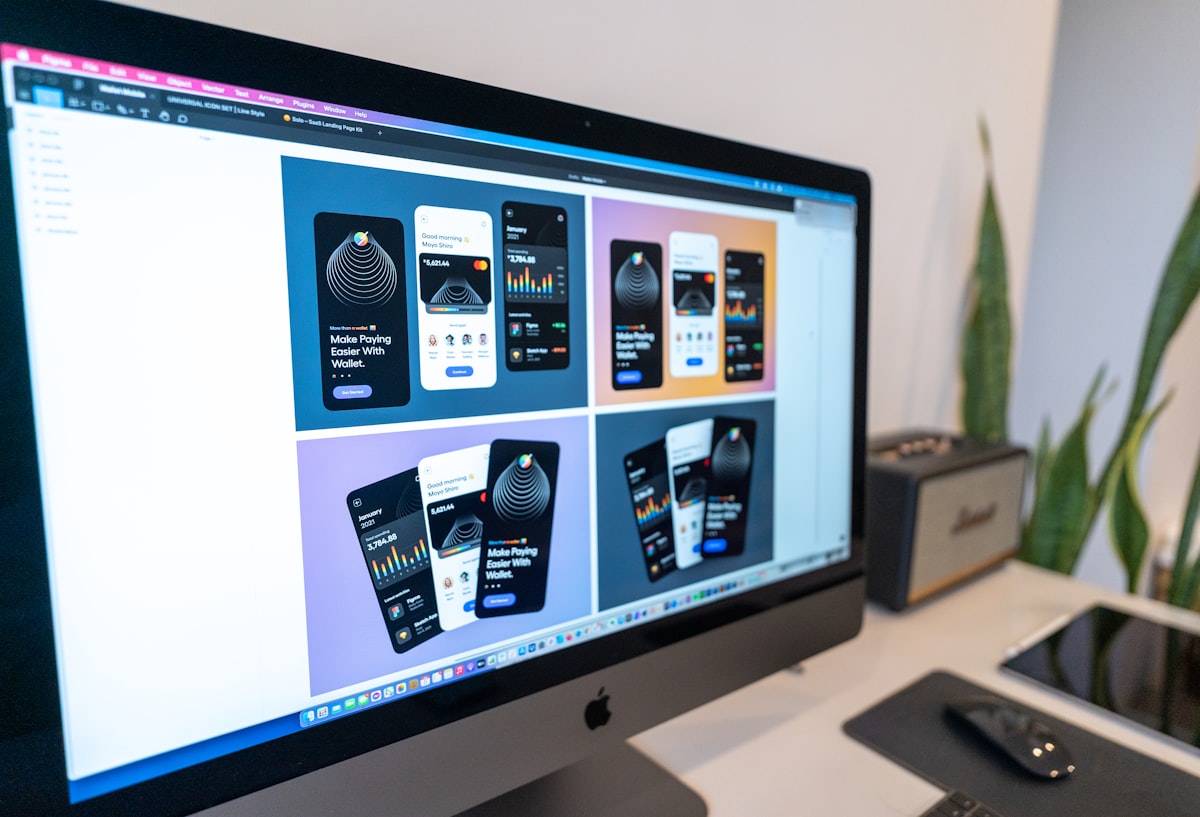
Inconsistent branding kills your close rate because it creates doubt in the mind of your prospect at the exact moment they need to trust you. Your sales team could be running flawless discovery calls, sending perfectly timed follow ups, and handling objections like pros. But if your pitch deck looks like it was made in 2015 and your proposal template uses different fonts than your website, you are leaving money on the table.
The Hidden Cost of Visual Inconsistency in Sales
Here is the thing nobody tells you about B2B sales: your prospect is Googling you. They are checking your LinkedIn. They are forwarding your proposal to their CFO. And every single touchpoint either builds confidence or erodes it.
When your sales rep sends a proposal that looks different from the deck they presented, it creates cognitive friction. The prospect might not consciously think this company seems disorganized, but something feels off. That feeling is enough to make them pause. That pause is enough to make them ask for another meeting. That extra meeting is enough time for your competitor to swoop in.
What Consistent Branding Looks Like for Sales Teams
Consistent branding for sales teams means every document, presentation, and email template follows the same visual system.
Pitch decks that use the same colors, fonts, and imagery style as your website
Proposal templates that feel like a natural extension of your brand
Case study PDFs that match the look of your online case studies
Email signatures that include your current logo and brand colors
One pagers and leave behinds that a prospect would immediately recognize as yours
When all of these elements align, your prospect starts to recognize you. That recognition builds familiarity. Familiarity builds trust. Trust closes deals.
How to Fix Your Sales Branding Problem
Audit everything your sales team currently uses. Collect every deck, proposal template, one pager, and case study. Put them all in one place and look at them together. The inconsistencies will be painfully obvious.
Create a single source of truth for sales templates. These should be designed professionally and locked down so sales cannot accidentally break the brand. Update templates quarterly so your sales materials never drift too far from current. For a deeper look at the mechanics of keeping a brand aligned, see how to build consistent brand touchpoints across 10 or more channels.
Companies across the United States from Seattle to Miami are realizing that design is not a nice to have. It is a competitive weapon. The ones investing in consistent, professional branding across all sales touchpoints are winning more deals at higher prices. When your brand has outgrown your current design, every sales asset your team uses starts to work against you from the pitch deck to the proposal to the follow up email.
Measuring the Cost of Inconsistency
Track close rate by the quality of materials used. If deals closed with professional materials have a 40% close rate and deals closed with inconsistent materials have a 25% close rate, you've quantified the problem. That's your ROI argument for design investment.
Building a Design System for Sales
Create templates for proposal decks, email signatures, flyers, and one-sheets. Version control them. Update them quarterly as brand evolves. Train your sales team on using them correctly. Remove the friction of creating new materials and consistency becomes automatic.
Auditing Your Current Consistency
Gather your last 10 proposals, emails, presentations, and flyers. Compare them. Are the fonts the same? Are the colors the same? Are the logos the same size and placement? Rate consistency on a scale of 1-10. That's your baseline.
Building a Sales Design System
Create templates for: proposal cover pages, internal title pages, signature slides, case study pages, team pages, closing pages. Provide the designer and templates to your sales team. Make it easy to create on-brand materials.
Training Your Sales Team
Your sales team isn't designers. Show them the templates. Show them how to use them. Provide examples of correct usage. Remove friction and consistency becomes automatic. If you make consistency hard, people will create their own materials.
Measuring Impact
Track close rate by proposal quality. Track deal size by visual professionalism. You'll see that better-designed proposals close more often and at larger deal sizes. Use this data to justify design investment.

Your sales team deserves materials that match their effort. If your branding is inconsistent across sales touchpoints, you are making their job harder than it needs to be. Honter Studio builds complete sales design systems that help your team close with confidence.